How to Hire a Session Guitarist for Your Project: The Complete Guide
A session guitarist is a professional musician hired to record guitar parts for a specific project — without joining the band permanently. To hire one, you define your project's needs, find a guitarist with a matching style and portfolio, agree on deliverables and rate, share reference materials, and receive finished audio files. That process can happen entirely online, from anywhere in the world.
Whether you're a singer-songwriter finalizing your debut EP, a producer layering textures into a pop track, or a film composer chasing a specific guitar sound, knowing how to find and work with the right session guitarist can make or break your project. This guide covers everything: what session guitarists actually do, where to find them, what they cost, and exactly how to set up a smooth remote collaboration.
What Does a Session Guitarist Do?
A session guitarist — also called a studio guitarist — is a hired instrumentalist who records guitar parts as instructed by a producer, artist, or composer. Unlike a touring musician or a bandmate, a session guitarist's job is purely functional: to serve the song.
In practice, that means:
- Reading chord charts or lead sheets and translating them into a performance that fits the song's style
- Improvising parts within a given direction (e.g., "fingerpicked folk arpeggios" or "clean neo-soul chords")
- Layering multiple guitar tracks — rhythm, lead, texture — for a full, polished sound
- Delivering high-quality audio files (typically dry DI and/or processed stems) on a professional timeline
Session guitarists are not just technical players. The best ones are adaptable, fast, and excellent at communication. In over 20 years of session work and music production, I've found that a single, well-placed guitar part — played with the right feel — often does more for a track than a dozen overdubbed layers.
When Should You Hire a Session Guitarist?
Hiring a session guitarist makes sense in more situations than most people realize. Here are the most common scenarios:
You're Recording Original Music
This is the classic use case. You have a song that needs guitar — but you don't play it, or you want a specific sound you can't achieve yourself. A session guitarist brings both technical skill and fresh ears to your track.
You're Producing for Another Artist
Producers regularly hire session musicians to fill out arrangements. If your track calls for a vintage jazz chord stab, a steel-string fingerpick pattern, or a distorted rock riff, a specialist will deliver it faster and better than a generalist.
You Need a Specific Sound or Genre
Different guitarists specialize in different tones and styles. Blues, neo-soul, jazz, country, classical, metal — each has its own technique, gear, and vocabulary. Hiring someone who lives and breathes a particular genre gives you authenticity you can hear.
You're Composing for Film, TV, or Media
Sync licensing and scoring projects often require specific, emotionally targeted guitar performances. When I composed the score for the Hasadás film (2023), every guitar part had to track the emotional arc of the scene precisely. That's a different skill set than playing live — and it's exactly what experienced session guitarists are built for.
You Want to Upgrade a Demo
Demo-to-master upgrades are increasingly common. A home recording with real, well-performed guitar parts sounds dramatically more professional — even if everything else stays the same.
How to Find the Right Session Guitarist
There are several reliable channels for finding a session guitarist for hire:
SoundBetter
SoundBetter is one of the most reputable platforms for session musicians and audio professionals. Guitarists list their services, post audio samples, display credits, and collect client reviews. It's a good first stop because you can filter by genre, budget, and location.
AirGigs
AirGigs focuses specifically on remote session musicians. It's well-suited for straightforward projects where you know what you want and want to compare options quickly.
Fiverr
Fiverr has a large pool of session guitarists at varying price points. Quality ranges widely, so listen carefully to samples and check reviews before booking. Best for smaller budgets or exploratory projects.
Direct Hire via Artist Websites
Many experienced session guitarists — especially those with significant credits — take bookings directly through their own websites. This route often means better communication, more flexibility, and working with someone who is invested in the outcome. You're hiring a real person, not just a profile. I take direct bookings through becsyben.com for exactly this reason.
Referrals
If you know producers, engineers, or other musicians in your genre, ask for referrals. Word of mouth is still one of the most reliable ways to find someone good — because reputation is everything in session work.
What to Look for in a Session Guitarist
Not all session guitarists are the same. Here's what actually matters when evaluating candidates:
Portfolio and Audio Samples
Listen before you commit. Does their tone, feel, and style match what your project needs? Look for variety — a good session player should be able to demonstrate range across genres and moods.
Credits and Track Record
Real credits on real releases signal professionalism. I've had the privilege of recording and producing for artists including Fonogram Award winner Odett, Deák Bill Gyula, BSW, Jónás Vera, and Ónodi, among others. That kind of track record tells you a musician can perform under pressure and deliver broadcast-quality results.
Gear and Signal Chain
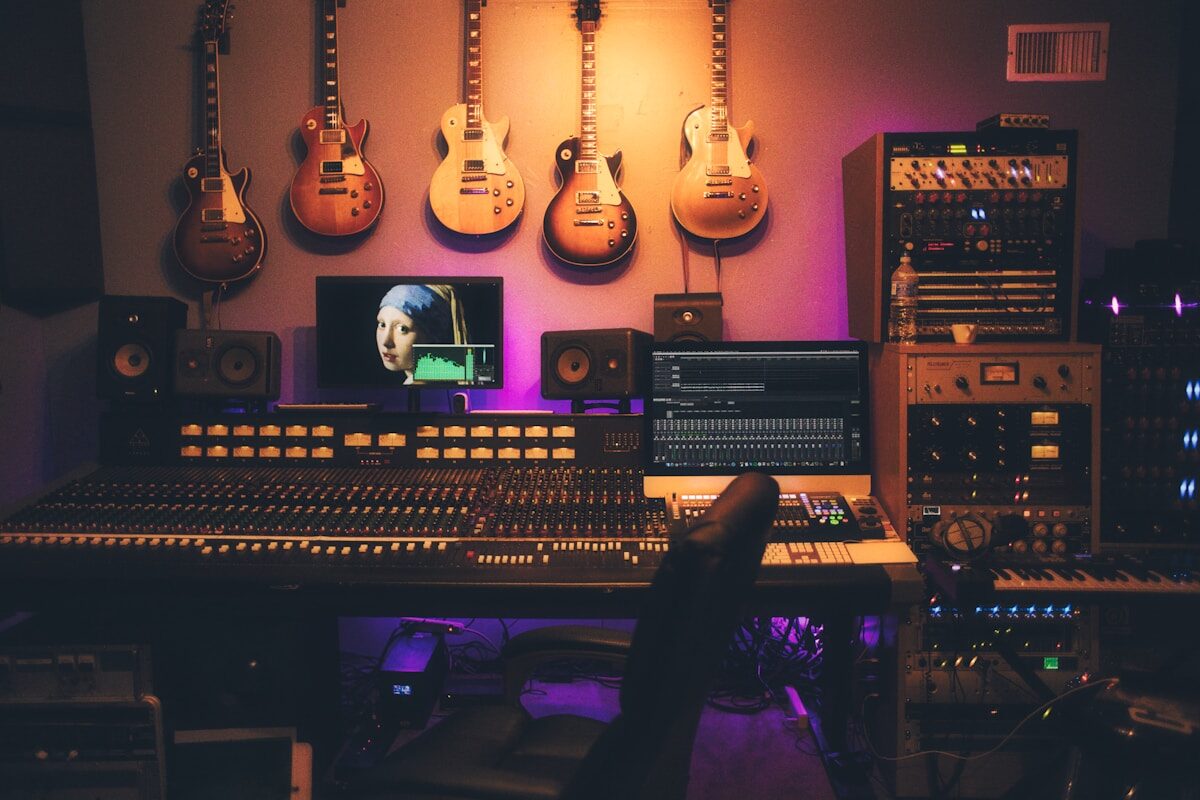
The tools matter. Professional session guitarists typically use quality instruments and interfaces that ensure clean, high-fidelity recordings. I record with a Gibson SG and Fender Stratocaster through a UAD Apollo Twin X — a combination that gives clean transients, low noise floor, and the flexibility to blend tones in post. When reviewing a guitarist's profile, check whether they mention their signal chain. Vague gear listings can indicate a less professional setup.
Communication Style
Fast, clear communication is underrated. Remote session work requires precise back-and-forth: you need someone who reads briefs carefully, asks the right questions, and delivers revisions without drama.
Turnaround Time
Industry standard for remote session work is typically 3–7 business days for a finished track. Many experienced guitarists can turn around simple parts in 24–48 hours.
How Much Does a Session Guitarist Cost?
Pricing varies widely based on experience, project scope, and platform. Here's a realistic breakdown:
| Level | Price Range (per song/track) |
|---|---|
| Beginner / Fiverr tier | $20–$80 |
| Mid-level professional | $80–$250 |
| Experienced session pro | $250–$600+ |
| High-demand / major credits | $600–$1,500+ |
What Affects the Price?
- Number of tracks — rhythm, lead, and texture layers are each separate passes
- Arrangement complexity — a single 4-bar loop costs less than a full 5-minute composition
- Turnaround time — rush fees apply (usually 25–50% premium for under 48 hours)
- Usage rights — sync licensing, TV placement, and commercial use may carry additional fees
- Revisions — most session players include 1–2 rounds of revisions; extra rounds cost more
A note on budget: cheap session work is rarely cheap in the end. Revisions, miscommunication, and unusable takes from inexperienced players cost time and money. Hiring someone with a verifiable portfolio and strong communication saves you both.
How to Work with a Session Guitarist Remotely
Remote online session recording has become the industry standard. Here's how to make it work smoothly:
Establish a Clear Brief
Before any files change hands, write out your vision in plain language: genre, feel, reference tracks, key, tempo, and what role you want the guitar to play in the arrangement (foreground lead, background texture, rhythmic foundation, etc.).
Share a Reference Mix Early
Send the work-in-progress mix — not just the chord chart. A session guitarist listening to the full arrangement can make better choices about tone, space, and timing than one working from a chord sheet alone.
Agree on File Formats Upfront
Industry standard for delivery is 24-bit WAV at the session's sample rate (usually 44.1 kHz or 48 kHz). Specify whether you need DI (dry direct input) tracks, processed tracks, or both. DI tracks give you more mixing flexibility later.
Communicate via a Single Thread
Keep all communication — revisions, notes, file transfers — in one place (email thread, Google Drive folder, or project management tool). Scattered communication leads to missed notes and costly do-overs.
Give Specific Feedback on Revisions
"This doesn't feel right" is hard to act on. "The intro lick is too bright — can you roll back the treble and play it a bit more lazily?" is actionable. The more specific your feedback, the faster revisions move.
What to Send Your Session Guitarist: A Complete Checklist
Before your session begins, prepare the following:
- Reference tracks — 2–3 songs that capture the tone, feel, or guitar sound you're after
- Tempo (BPM) — always include this; sessions without a clear tempo are harder to sync
- Key and time signature — e.g., "A minor, 4/4"
- Chord chart or lead sheet — even a rough one is better than nothing
- A rough mix of the track — even a demo helps the guitarist understand the arrangement context
- Specific instructions per section — what happens in the verse vs. chorus vs. bridge
- Mood and emotional direction — "melancholy and sparse" vs. "energetic and driving" guides feel
- Intended genre and style — neo-soul, jazz, indie folk, cinematic, etc.
- Delivery format preferences — 24-bit WAV, DI + processed stems, sample rate
- Deadline — be realistic; quality takes time
The more detail you provide upfront, the fewer revision rounds you'll need — and the better the final result.
Frequently Asked Questions
What is a session guitarist?
A session guitarist is a professional musician hired to record guitar parts for a specific project on a per-session or per-song basis. They don't join the artist's permanent band — they deliver a defined performance, then move on to the next project. Session guitarists work across all genres and can record remotely, sending finished audio files anywhere in the world.
How do I hire a session guitarist online?
Start with platforms like SoundBetter, AirGigs, or direct artist websites. Listen to audio samples, review credits, and send a detailed project brief. Once you agree on scope, rate, and timeline, you share your project files and the guitarist delivers finished tracks. The entire process can happen without meeting in person.
How much does a session guitarist cost?
Rates range from around $20–$80 on entry-level platforms to $250–$600+ for experienced professionals with verifiable credits. Factors that affect pricing include project complexity, number of guitar tracks, turnaround time, and usage rights. For commercial or sync projects, expect higher rates.
What's the difference between a session guitarist and a studio guitarist?
The terms are often used interchangeably. "Studio guitarist" sometimes refers specifically to musicians who work in physical recording studios, while "session guitarist" encompasses both in-studio and remote work. In today's industry, the distinction matters less — most session guitarists work remotely with professional home studios.
What file format should I ask for?
Request 24-bit WAV files at the project's native sample rate (typically 44.1 kHz or 48 kHz). Ask for both a dry DI track and a processed track if you want flexibility in mixing. Avoid MP3 for session deliverables — the compression removes detail you'll want during the mix.
How long does it take to get session guitar recorded?
Most experienced session guitarists turn around a completed part within 3–7 business days. Rush turnaround (24–48 hours) is often available for an additional fee. Complex arrangements or multiple guitars may take longer. Set clear deadlines in your brief and confirm the guitarist's availability before booking.
Summary: Hiring a Session Guitarist the Right Way
Finding the right session guitarist comes down to three things: a clear brief, a matching portfolio, and professional communication. Define what you need, listen carefully to samples, verify credentials, and set up a clean working process. The rest takes care of itself.
Done well, a single well-performed guitar part can transform a good track into a great one. Session guitarists bring not just their instrument, but their ears, experience, and musical instincts — things that can't be programmed or automated.
Looking for a session guitarist? I'm available for remote and in-studio work. With a BA in jazz guitar from the Franz Liszt Academy of Music, 20+ years of session and production experience, and credits across genres — I bring both technical precision and musical sensitivity to every project.
Browse my work and samples on SoundBetter, or get in touch directly at becsyben.com.